%2Ffit-in%2F250x250%2Fguide_websites%2F132576%2Fimages%2F1781913556157sticks_guide_service_business_logo.png&w=1920&q=100)
/users/ebce4657-fe3b-407f-b6ca-42f0aefa5de6/ratecard/3ead0ecb-9d8e-48a3-870f-d090f32a8752.jpg)
%2F300x300%2Fusers%2Febce4657-fe3b-407f-b6ca-42f0aefa5de6%2Fratecard%2F3ead0ecb-9d8e-48a3-870f-d090f32a8752.jpg&w=256&q=75)
%2F300x300%2Fusers%2Febce4657-fe3b-407f-b6ca-42f0aefa5de6%2Fimages%2Fmoncure-nc-family-fishing-trip-2747.jpg&w=256&q=75)
%2F300x300%2Fusers%2Febce4657-fe3b-407f-b6ca-42f0aefa5de6%2Fimages%2Ffishing-boat-catch-moncure-nc-2676.jpg&w=256&q=75)
%2F300x300%2Fusers%2Febce4657-fe3b-407f-b6ca-42f0aefa5de6%2Fimages%2Fmoncure-nc-lake-fishing-boat-2613.jpg&w=256&q=75)
%2F300x300%2Fusers%2Febce4657-fe3b-407f-b6ca-42f0aefa5de6%2Fimages%2Fcrappie-fishing-moncure-north-carolina-2864.jpg&w=256&q=75)
%2F300x300%2Fusers%2Febce4657-fe3b-407f-b6ca-42f0aefa5de6%2Fimages%2Fmoncure-nc-crappie-fishing-success-2696.jpg&w=256&q=75)
%2F300x300%2Fusers%2Febce4657-fe3b-407f-b6ca-42f0aefa5de6%2Fimages%2Ffishing-boat-moncure-lake-ready-2616.jpg&w=256&q=75)
%2F300x300%2Fusers%2Febce4657-fe3b-407f-b6ca-42f0aefa5de6%2Fimages%2Fmoncure-nc-fishing-success-2901.jpg&w=256&q=75)
%2F300x300%2Fusers%2Febce4657-fe3b-407f-b6ca-42f0aefa5de6%2Fimages%2Fmoncure-crappie-white-bass-fishing-2710.jpg&w=256&q=75)
%2F300x300%2Fusers%2Febce4657-fe3b-407f-b6ca-42f0aefa5de6%2Fimages%2Fmoncure-crappie-fishing-haul-2810.jpg&w=256&q=75)
%2F300x300%2Fusers%2Febce4657-fe3b-407f-b6ca-42f0aefa5de6%2Fimages%2Fmoncure-nc-crappie-fishing-catch-2491.jpg&w=256&q=75)
Striped Bass Half Day on Kerr Lake
 Shearon Harris Lake
What you will be catching:
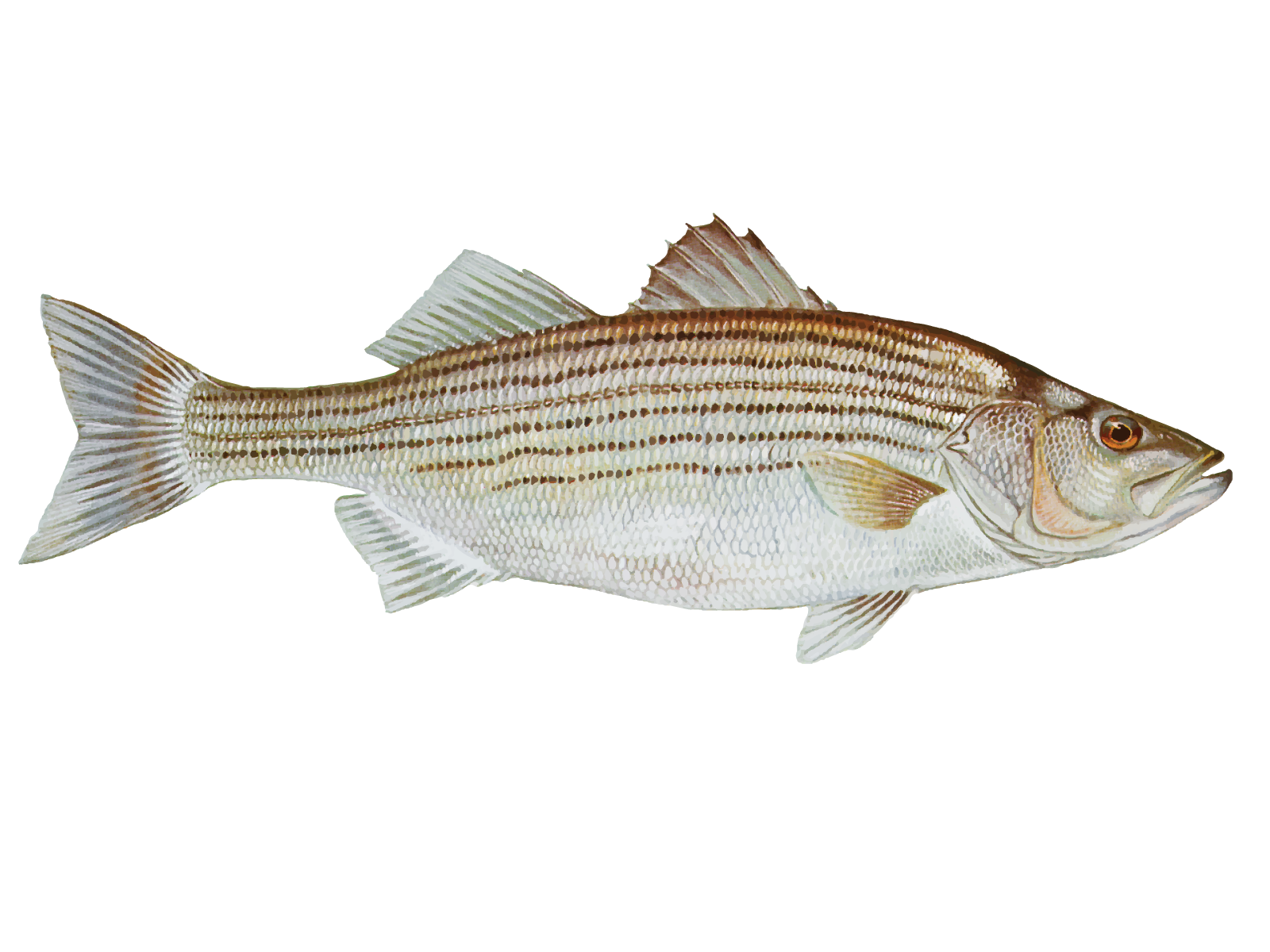 Striped Bass
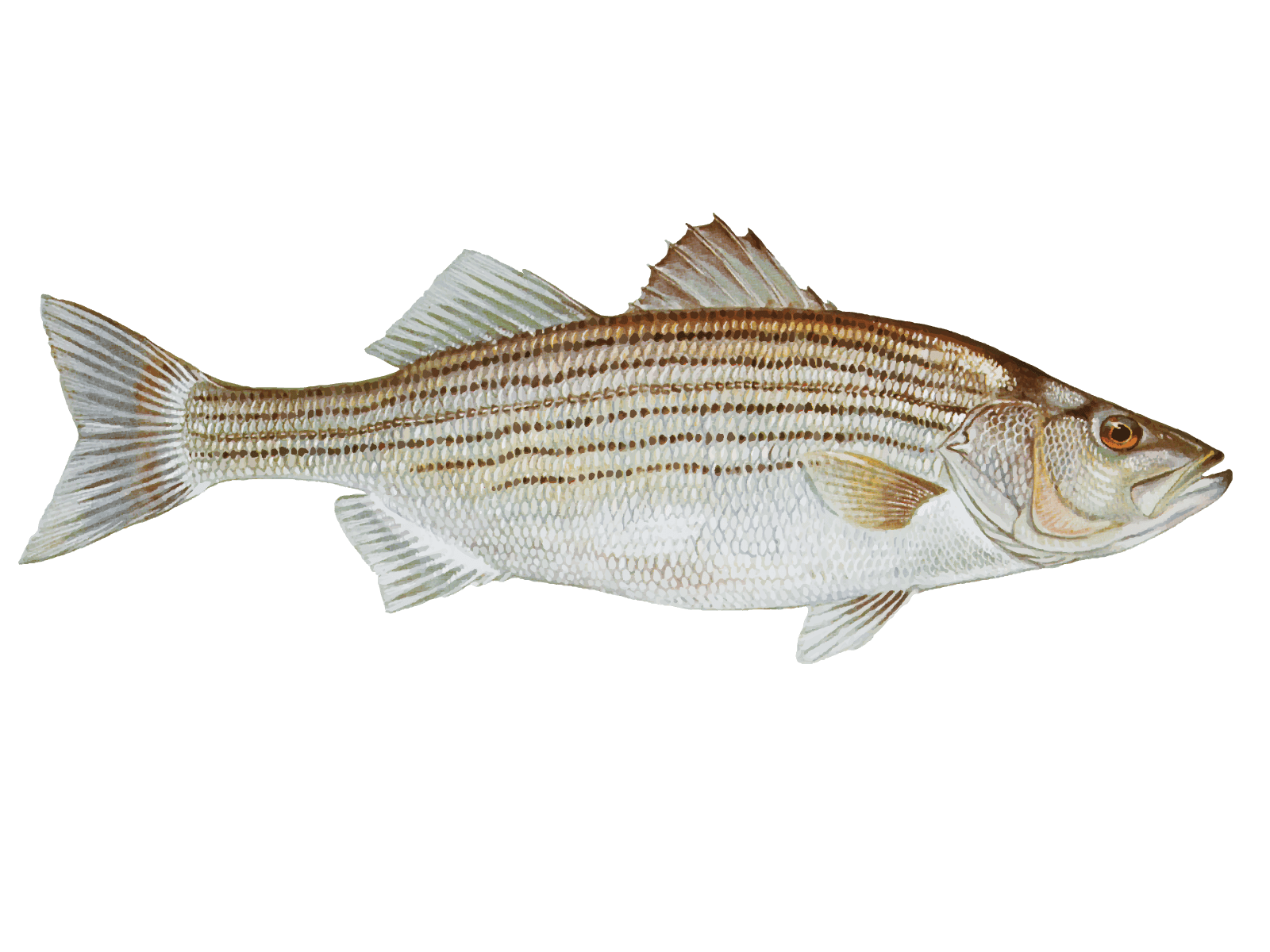
 Walleye
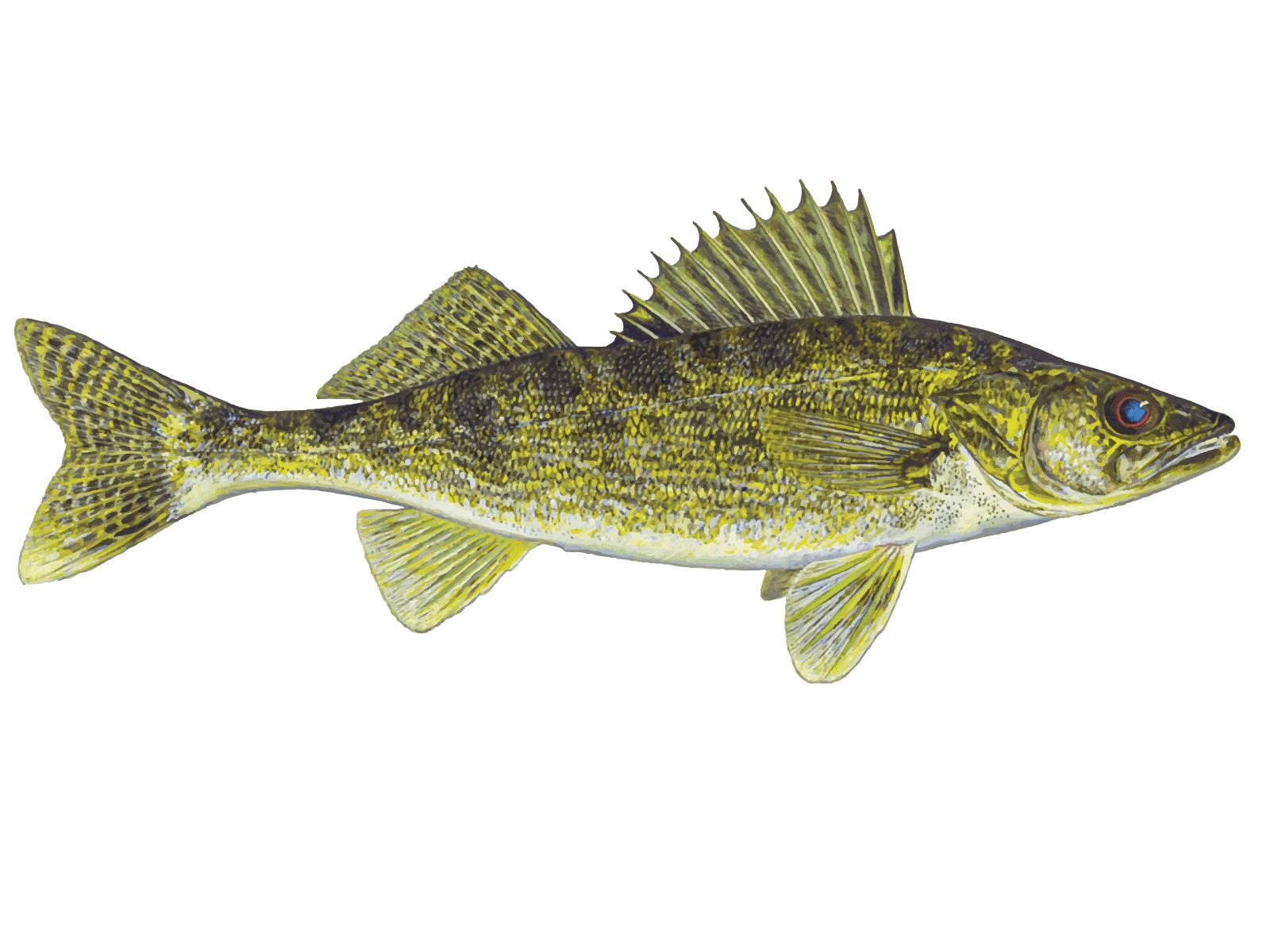
 Spotted Bass
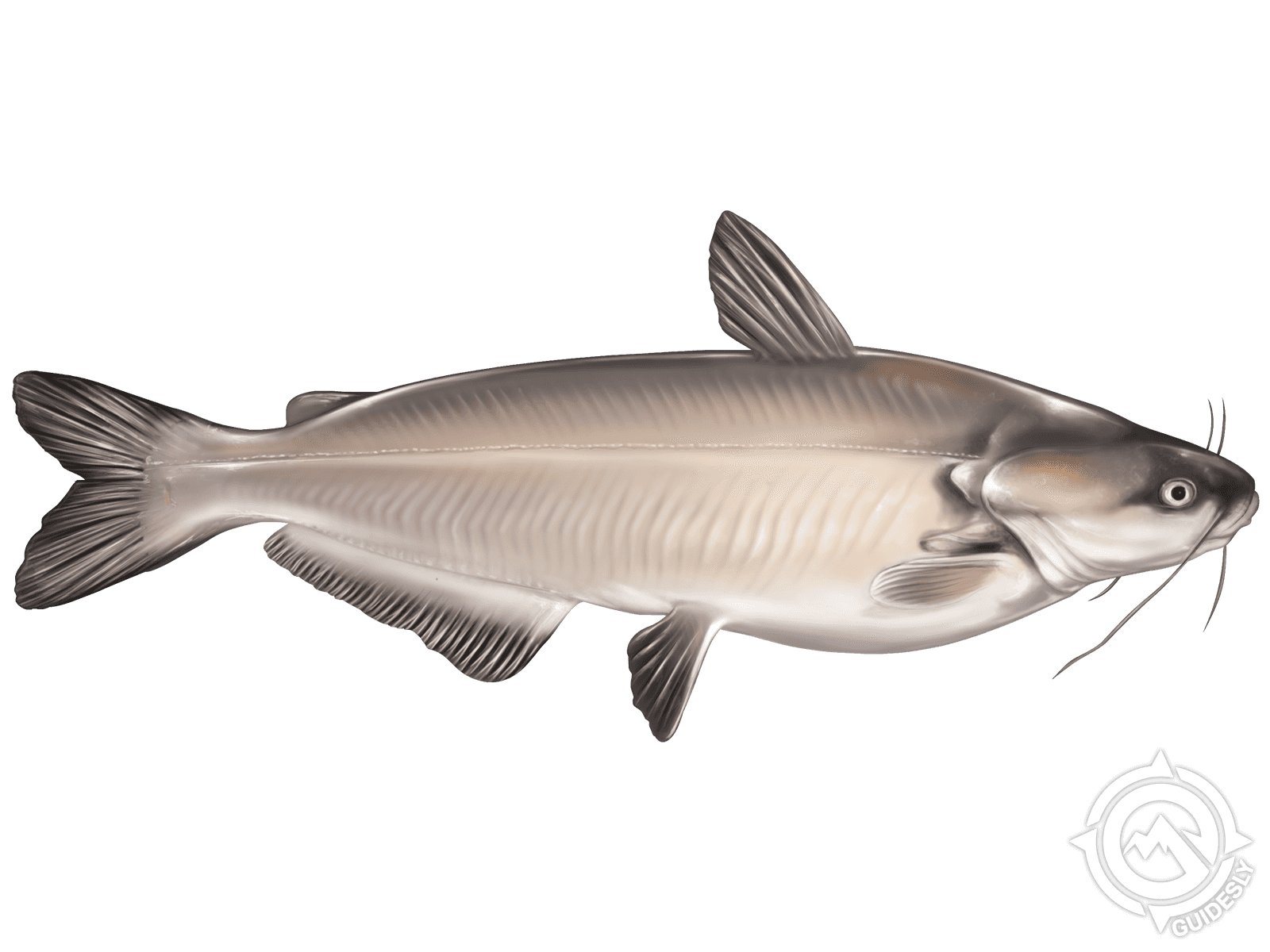
 Blue Catfish
- Half-day striped bass fishing on scenic Kerr Lake
- North Carolina or Virginia fishing licenses accepted
- Target species include walleye, bass, and blue catfish
Trip Pricing and Availabilities:
Striped Bass Half Day on Kerr Lake
When you're looking for a half-day fishing trip that delivers serious action, Kerr Lake's striped bass fishing is where you want to be. This massive 50,000-acre reservoir straddling the North Carolina-Virginia border has built a reputation as one of the Southeast's top-rated striper destinations, and for good reason. The beauty of Kerr Lake isn't just the scenery—though those rolling hills and clear waters are something to see—it's the fact that you never know what's going to slam your line next. Sure, we're targeting stripers, but walleye, spotted bass, largemouth, and even monster blue cats are always in the mix.
What to Expect on the Water
Our half-day striped bass trips run about 4-5 hours, giving you plenty of time to work the best spots without burning a whole day. We'll launch early when the fish are most active, and I'll have you rigged up and ready before we even reach the first honey hole. Kerr Lake's structure is perfect for stripers—rocky points, deep channels, submerged timber, and plenty of open water where schools of baitfish get pushed around by feeding bass. The lake sits right on that NC-VA line, so whether you've got a North Carolina or Virginia fishing license, you're covered. That's one less thing to worry about when you're focused on putting fish in the boat. We'll target up to 4 anglers on this trip, which keeps things manageable and gives everyone room to work without tangled lines.
Techniques and Tackle
Striper fishing on Kerr Lake is all about adapting to what the fish are doing that day. Early morning, we might start with topwater action—nothing beats watching a 20-pound striper blow up on a surface lure in the dim morning light. As the sun gets higher, we'll switch to live bait rigs with fresh shad or work umbrella rigs through the deeper channels. I keep a variety of tackle on board, from light spinning gear for the spotted bass that love to crash the party, to heavy baitcasting setups that can handle those bruiser stripers when they decide to make a run for deep water. The electronics on the boat help us locate schools of baitfish, and where there's bait, there's usually stripers underneath. We'll also hit some of the classic structure spots—submerged roadbeds, creek channels, and those rocky points that hold fish year-round.
Species You'll Want to Hook
Striped bass are the star of the show here, and Kerr Lake grows them big and healthy. These fish typically run anywhere from 3 to 25 pounds, with the occasional monster pushing even bigger. Spring and fall are prime time when they're actively feeding and schooling up, but summer mornings can produce some fantastic topwater action. What makes stripers so addictive is their fight—they'll make long, powerful runs and aren't afraid to jump. Plus, they're great eating if you decide to keep a few for the table.
Walleye fishing on Kerr Lake is often an unexpected bonus that turns into the highlight of the day. These fish love the deeper, cooler waters and the rocky structure that Kerr Lake provides. They typically range from 14 to 24 inches, with some real slabs pushing 6-7 pounds. Walleye bite best in low light conditions, so early morning and late evening are prime time. They're notorious for their light bite, so you need to stay sharp, but once you hook into one, they're some of the best eating fish in freshwater.
Spotted bass in Kerr Lake are scrappy fighters that punch way above their weight class. These fish love the rocky areas and will hit both live bait and artificial lures. They're usually in the 1-3 pound range, but what they lack in size they make up for in attitude. Spots are active year-round and provide consistent action when the bigger fish aren't cooperating.
Blue catfish are the wildcards that can turn any fishing trip into a memorable battle. Kerr Lake has some absolute giants lurking in the deep channels and river bends. These fish can easily top 30-50 pounds, and when you hook into one on striper tackle, you know you're in for a fight. They're most active in warmer months and love cut bait, but they'll also smash a live shad meant for stripers. The surprise factor alone makes them worth mentioning—nothing gets your heart pumping like setting the hook on what you think is a nice striper, only to have it turn into a 40-pound blue cat.
Time to Book Your Spot
Kerr Lake's striped bass fishing offers some of the most consistent action you'll find in the region, and our half-day format is perfect for anyone who wants quality fishing without committing to a full day on the water. Whether you're a seasoned angler looking to add some North Carolina stripers to your list, or you're relatively new to the game and want to experience what world-class striper fishing is all about, this trip delivers. The variety of species keeps things interesting, the scenery is beautiful, and the fish are willing. Don't sleep on this one—Kerr Lake's reputation as a customer favorite keeps growing, and prime dates fill up fast. Book your half-day striped bass adventure and get ready to see why so many anglers keep coming back to these waters.
Learn more about the species
Striped Bass
Striped bass are the main attraction here at Kerr Lake, and for good reason. These silver-sided fighters with their distinctive black stripes average 5-15 pounds, though 20+ pounders show up regularly. We find them around main lake points, creek channels, and suspended over deep water chasing schools of shad. Spring and fall are prime time when water temps hit that 55-68 degree sweet spot they love. What gets guests hooked is the way these fish fight - they'll make long runs and really test your drag. Plus, they're fantastic eating with firm, white meat. Stripers can be caught year-round, but they're most predictable during the cooler months when they're actively feeding to build up energy. They're structure-oriented fish, so we focus on areas where creek channels meet the main lake. My go-to tip: when we're live-lining herring, let it swim naturally - stripers like to follow their prey before committing.
Walleye
Walleye are hands down some of the best eating fish in Kerr Lake, which is why guests get excited when we hook into them. These golden-sided fish average 2-4 pounds here and have distinctive glassy eyes that help them feed in low light. You'll find them along rocky drop-offs and points in 15-25 feet of water, especially where the bottom transitions from rock to mud. They're most active during overcast days and right at dusk when they move shallow to feed. What makes walleye special is that gentle bite - they're not aggressive like bass, more like a subtle weight on your line. The meat is firm, white, and flaky with almost no fishy taste. During cooler months from fall through early spring, they'll often hit the same live bait we use for stripers. Here's a local trick: when you feel that light tap, don't set the hook hard - just lift the rod tip and start reeling.
Spotted Bass
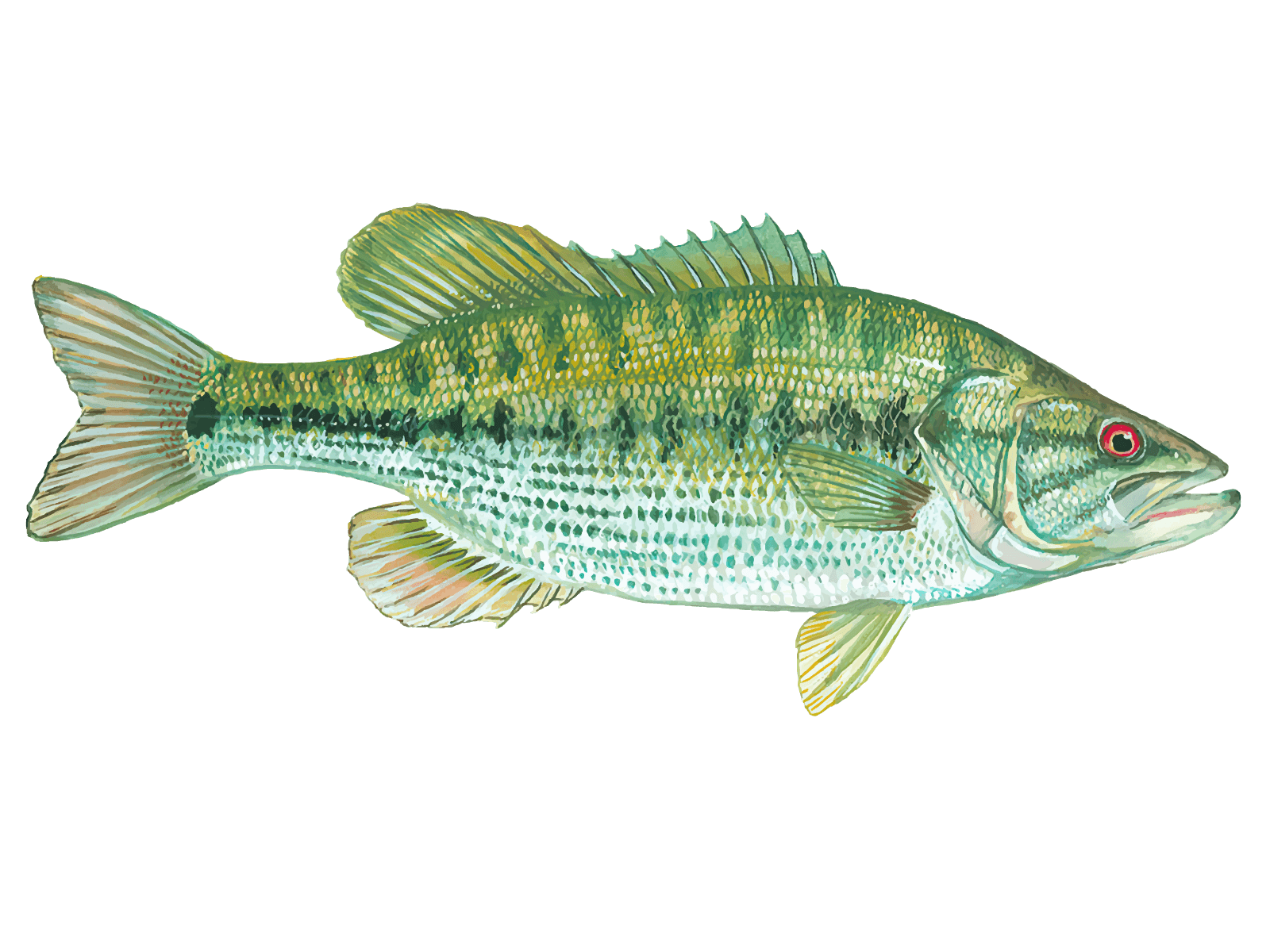
Spotted bass are scrappy fighters that'll surprise you with their strength. These fish average 1-3 pounds but can hit 5+ pounds in Kerr Lake's deeper waters. You'll find them around rocky points, submerged timber, and drop-offs in 15-30 feet of water. Unlike largemouth that jump, spotted bass dive deep and fight like smallmouth when hooked. They're most active during cooler months - fall through early spring - and bite best at dawn and dusk. What makes them fun to target is their aggressive nature and willingness to hit both live bait and lures. They school up more than other bass, so once you find one, there's usually more around. Pro tip: when you're fishing for stripers with live herring, don't be surprised when a spotted bass grabs it first - they love that bait and it's often how we catch our biggest ones.
Blue Catfish
Blue catfish are the bulldozers of Kerr Lake and can really make your day when you hook into a big one. These slate-blue bruisers average 10-20 pounds but we've pulled 40+ pounders from the deeper holes. You'll find them in muddy-bottom channels and creek mouths, usually in 20-40 feet of water where they scavenge along the bottom. They're opportunistic feeders that'll hit cut bait, chicken liver, or even live herring meant for stripers. Summer nights are prime time when they're most active, though they bite year-round. What guests love is the steady, powerful fight - no jumping, just pure bulldogging strength that'll test your tackle. They're also excellent eating despite what some folks think. These fish are tough and can handle the temperature swings in the lake better than most species. Here's my tip: use fresh cut herring on the bottom and be patient - when a blue cat picks up your bait, give it time to really take it before setting the hook.